Undiscovered Treasures in the Vijayanagara Dynasty's Royal Bazaar or Market
The Vijayanagara Empire, headquartered in Hampi, was an era full of wealth, traditional culture, and power. All of the magnificence that the empire encompasses is mainly related to their massive wonderful temples and the broken ruins all over the expanse of the Vijayanagara empire. However, one factor that never receives appreciation is the highly active Royal Market which used to be a focal point of this great empire. This marketplace was not simply a center of exchange but rather embodied the empire's wealth, refinement, and ethnocultural range.
Today, the last traces of the Royal Market are found dotted around the Hampi, which gives an idea of what the city used to be like a commercial hub, a centre of civilization and creativity. Still, Hampi is full of thousands of ancient stones containing the lost world of the Vijayanagara dynasty although a great part of the trade atmosphere diminished and lost during the modernization.
1. The Hampi Bazaar: Where the Royal Trade Took Off
Hampi Bazaar which is a territory stretching in front of the iconic Virupaksha Temple, is one of the most recognized remains of the Royal Market. On the side of this street, merchants' stalls were set up and traders came from far and wide to sell anything ranging from spices, precious metals, and silks. The bazaar acted as an advertisement for the empire's glory by demonstrating the presence of the empire's exotic and even some indigenous goods that were sourced from Africa, Arabia, and even Europe.
Hidden Gem: The supremacy of the Hampi Bazaar has turned it into a glaring sight for potential tourists, however, the bare structures that were once pained around the marketplace in the form of stone pavilions can still be spotted here. This was one of the trade markets that many could not handle and one could sense how everyone used to go crazy with merchants having incense and spices in their hands and yelling out to potential customers.
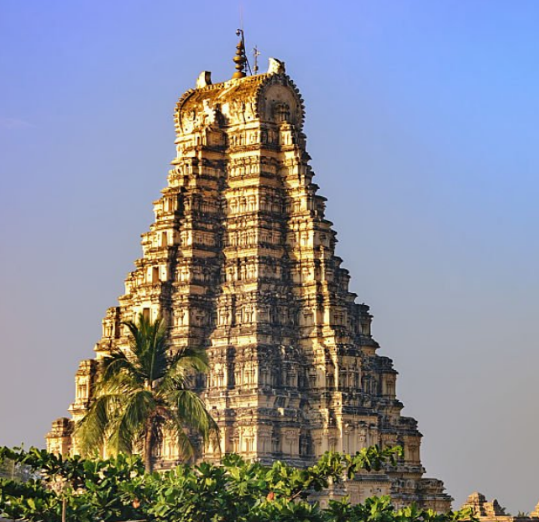
2. The Jewelry Market: Shining with Royal Wealth
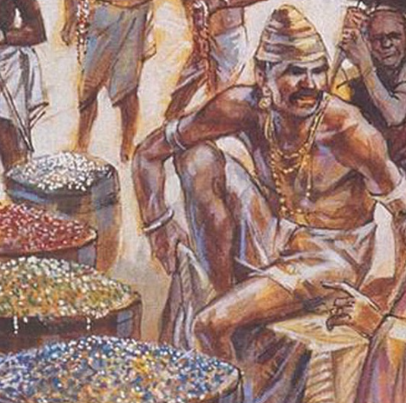
The Jewelry Market which had been constructed near the Royal Enclosure had most masters who used to design even the most exquisite jewels for the royals as Jewelry Market that one Surman the rulers of Vijayanagara were not only rich, but they were people who loved this lavish life. Gold, silver, and other ornaments were burnt to love to wear ornaments.
A lost treasure: Considering how the vast majority of jewels were lost throughout history, the commands make it seem like there is an emphasis on archaeological finds that exist in this domain. Those jewelry pieces were quite exquisite, as there were remnants of them scattered across the empire portraying gold and silver along with some coins that only seem indicative of the lavish lifestyles that emperors and kings had. Through this, one can connect the dots by visiting the unexplored sites of Hampi and appreciate the affluent history it promised.
3. The Spice Market: A center for trade and all things aromatic.
A few things in the world do not go unnoticed, and it seems the spices that ruled within India during that time were indeed one of the things that did not go unnoticed as their empire eventually grew because of it. This empire was one of the biggest in the world during that time as they had spices like cardamom, black pepper, saffron, and many others. Not only this, but the spices consumed were also being sourced in Hampi's spice market making them an empire wanting to consume it all.
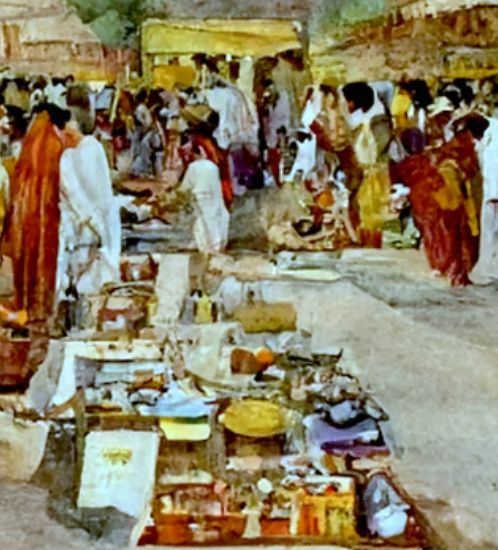
A lost treasure: A striking addition to the spice vendors noticed above, the bins that these spices were contained in as well as clay containing said spices could still be spotted around the Royal Enclosure though the spices market was no longer there. Artifacts like the ones constructed above offer an inexorable link to the spice origins that once ruled over the fine taste of the Vijayanagara Empire.
4. The Carriage Market: Wheels of the Empire
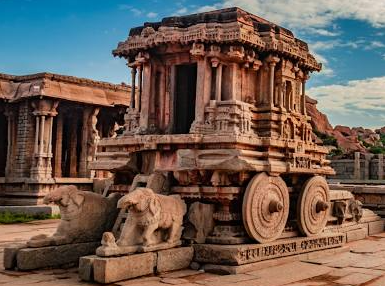
The Stone Chariot in the Vijayanagara Empire at Hampi is considered one of the most important structures. Here most people are unaware, that this region was the residence of a developing carriage market, where chariots, horses, and even elephants for the royal families were bought and sold. Supposedly the sophistication of these implements mirrored the wealth of the kingdom.
Hidden Gem: While moving around the Stone Chariot and its surroundings you can see some chariot carvings, and parts of chariots that were once used during processions of the royals. These sculptures are so delicate and precise that they reveal the royal way of life and pomp with which the kings and queens used to travel.
5. The Artisan's Quarter: Metal and Stone Craftsmanship
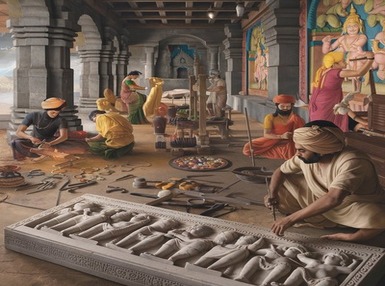
Vijayanagara was more than just a commercial powerhouse; it was a hub of enormous inventiveness. The city was home to a large number of artisans who made stunning sculptures, elaborate stone carvings, and precise metalwork. The Royal Market had a designated area where these craftsmen may sell their wares.
Hidden Gem: You can discover elaborate stone carvings and the remains of statues that were formerly a part of the royal palace's aesthetic by exploring the Zenana Enclosure. These artworks, which are frequently hidden in peaceful areas, shed light on the superb craftsmanship that characterized the Vijayanagara dynasty.
6. Foreign Merchants and Global Trade
While being a center for local merchandise, the Royal Market of Vijayanagara also had to be a common hub of international traders across the world. Merchants from Africa, Persia, Europe, and Sri Lanka brought goods of unusual interest that were sought-after by the local inhabitants to exchange. It would also influence the common life art and culture of the kingdom.
Hidden Gem: Some of these labelling or letters are in Arabic, Persian, and even Portuguese, which provide important historical background to the empire's diplomatic and commercial contacts with other regions of the world.
7. Water Systems: Creative Engineering
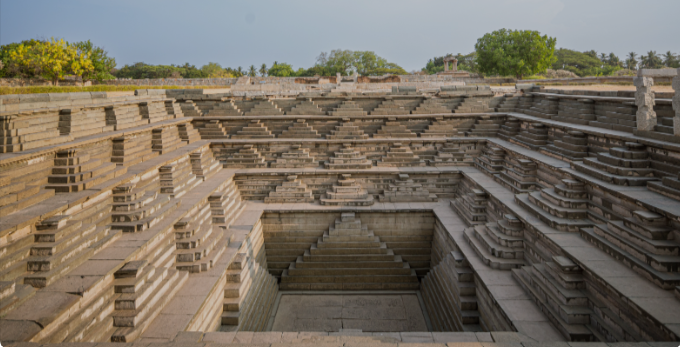
The Royal Market's water management system was a distinctive and little-known feature. Regarding urban planning, the Vijayanagara kings were ahead of their time, and the market was no different. Advanced reservoirs, water channels, and wells were developed to meet the market's demands.
Hidden Gem: Dotted around the Royal Enclosure, you can still see scattered remnants of water channels and old wells, testifying to the ingenuity of Vijayanagara's engineers.
Conclusion: Legacy of the Royal Bazaar of the Vijayanagara Dynasty
The Royal Bazaar of the Vijayanagara Dynasty was a commercial place but much more than just a place of trade. Royal Bazaar was a symbol of the empire's glory, a melting pot of different cultures, and a place for art, trade, and culture together. Though much of this vibrant marketplace is lost to history, the hidden gems that remain offer us a fascinating glimpse into a time of prosperity and innovation.
Exploring the ruins of Hampi Bazaar, the Jewelry Market, the Spice Market, and the other places in the Royal Market show a very colorful tapestry of history, culture, and trade. These places remain so fascinating to the human imagination that their legacy is not forgotten over time.
Author: Manjunath Rajanna
Date: 12 December 2024